

Trends

Trends

Pakistan’s Polio Campaign: The Continuing Fight to Protect Millions of Children

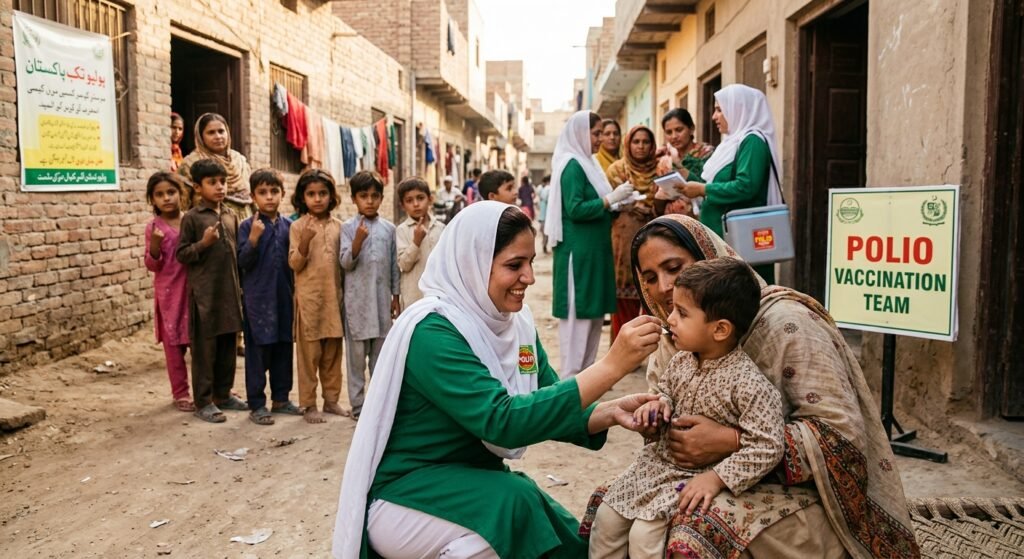
Pakistan continues its long-running campaign to eliminate polio, with health workers carrying out vaccination activities across the country to protect millions of children from the disease. The latest campaign began in September 2026 and is targeting more than 31 million children under the age of five. The campaign covers high-risk areas where vaccination and disease surveillance remain particularly important. Pakistan and Afghanistan remain the two countries where wild poliovirus transmission has not been eradicated, making vaccination campaigns an important part of the international effort to eliminate the disease. Why Polio Remains an Important Issue Polio is a highly infectious disease that can cause permanent paralysis. Young children are particularly vulnerable, which is why vaccination programs focus heavily on children under five. Pakistan has spent years conducting door-to-door vaccination campaigns, routine immunization programs, disease surveillance, and awareness campaigns to stop the transmission of poliovirus. Despite these efforts, eliminating the virus has proven difficult. The challenge is not simply delivering vaccines. Health teams must reach children in remote areas, maintain public trust, identify areas where transmission may be occurring, and ensure that children receive repeated doses when necessary. The September Vaccination Campaign The latest nationwide campaign is targeting more than 31 million children. Health workers visit homes and communities to administer oral polio vaccine drops to children. These campaigns are particularly important in areas where routine healthcare access is limited or where previous vaccination coverage has been incomplete. The objective is to create strong immunity among children and prevent the virus from spreading between communities. Vaccination campaigns also provide an opportunity for health authorities to identify areas where children may have been missed during previous rounds. The Security Challenge One of the most difficult aspects of Pakistan’s polio campaign is the security situation faced by vaccination teams. Health workers often travel through areas where security conditions are difficult. Because vaccination campaigns involve door-to-door visits, workers can become exposed to risks while carrying out their duties. On September 22, 2026, two police officers providing security to a polio vaccination team were killed by gunmen in Nushki district of Balochistan. The vaccination workers themselves were unharmed. The incident highlights the risks faced by personnel involved in public-health campaigns. Why Security Matters Security is an important part of vaccination operations in areas where health workers may face threats. Police and other security personnel can accompany vaccination teams to provide protection and help teams reach communities safely. When security incidents occur, vaccination activities can become more difficult. Workers may face delays, communities may become harder to reach, and health authorities may need to change their plans. The safety of health workers is therefore closely connected to the ability to maintain consistent vaccination coverage. Public Trust and Awareness Another major challenge is public confidence. Vaccination programs depend on parents and communities allowing health workers to vaccinate children. Misinformation, rumors, fear, and misunderstandings can make this process more difficult. Health authorities and community leaders therefore have an important role in explaining why vaccination is necessary and addressing concerns raised by parents. Building trust is a long-term process. It requires communication, transparency, reliable healthcare services, and cooperation between government departments and local communities. The Importance of Repeated Vaccination A child may receive multiple doses of oral polio vaccine during different campaigns. Repeated vaccination is part of the strategy used to strengthen immunity across communities and reduce the possibility of continued transmission. This is particularly important in areas where children may miss routine vaccinations or where the virus continues to circulate. The objective is not simply to vaccinate a certain number of children during one campaign. The larger goal is to interrupt transmission and eventually eliminate the virus. Pakistan and Afghanistan Pakistan’s polio situation is also connected to Afghanistan because the two countries share a long border and significant population movement. People regularly travel between the two countries for trade, employment, family reasons, and other purposes. This movement means that health authorities on both sides need strong vaccination and disease-surveillance systems. Coordination between Pakistan and Afghanistan can therefore play an important role in preventing the virus from crossing borders and continuing transmission. The Role of Health Workers Polio workers are at the center of the eradication campaign. They travel through neighborhoods, villages, and remote communities to reach children who might otherwise have limited access to vaccination. Their work requires extensive planning and coordination. In addition to administering vaccines, health teams may collect information, identify children who have missed vaccination, communicate with parents, and support disease surveillance. Their role is therefore much broader than simply delivering vaccine drops. Why Eradication Has Been Difficult Pakistan’s geography, population movement, security challenges, misinformation, and gaps in healthcare access have all made eradication difficult. Some communities are located in remote mountainous areas where reaching households can take considerable time. Other areas experience population movement that makes it difficult to maintain consistent vaccination records. Security problems can also prevent teams from reaching certain communities safely. These factors mean that eliminating polio requires continuous effort rather than occasional vaccination campaigns. The Importance of Disease Surveillance Vaccination is only one part of the eradication strategy. Health authorities also need to monitor possible cases and test samples to determine whether poliovirus is circulating. Environmental surveillance can also help identify the presence of the virus in sewage systems and other locations. This information allows health officials to identify areas where additional vaccination efforts may be required. Looking Ahead Pakistan’s September vaccination campaign represents another major effort to protect children and move closer to the goal of eliminating polio. The campaign’s success will depend on reaching as many children as possible, maintaining public confidence, protecting health workers, and continuing disease surveillance. The recent attack on police officers protecting vaccination workers also demonstrates that public-health campaigns can face challenges far beyond medicine. For Pakistan, eliminating polio will require continued cooperation between health workers, security personnel, government authorities, communities, parents, and international health organizations. The goal is ultimately simple: ensuring that every child has the opportunity to grow up protected from a
Trends

Pakistan’s Fuel Crisis: How Global Conflict Is Affecting Everyday Life

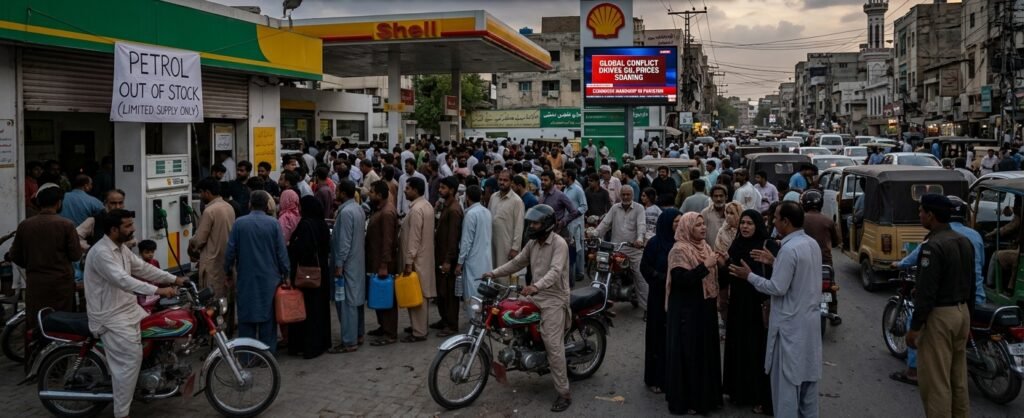
Pakistan is facing renewed pressure from rising energy costs and disruptions in international fuel and gas supplies. The situation has become increasingly important as conflict in the Middle East affects oil and gas markets, creating uncertainty for countries that depend heavily on imported energy. For Pakistan, the impact is not limited to petrol stations. Changes in international energy prices can affect transportation, electricity generation, businesses, food prices, industries, and household expenses. The country is therefore trying to balance the need for affordable fuel with the pressure created by international markets. The latest fuel-price revision on September 23, 2026, reduced petrol by Rs1.70 per litre and high-speed diesel by Rs3.12 per litre. Petrol was set at Rs392.05 per litre, while high-speed diesel was set at Rs418.96 per litre. The government has also moved toward a daily fuel-price review mechanism because of continuing international price volatility. Why Global Conflicts Affect Pakistan’s Fuel Prices Pakistan does not produce enough oil and gas to meet all of its domestic energy requirements. This makes the country dependent on international energy markets and imported supplies. When conflict threatens major oil-producing regions or important shipping routes, international energy prices can change quickly. The Strait of Hormuz is particularly important because a significant amount of global energy trade passes through the region. Recent disruptions connected to the Middle East conflict have also affected LNG supplies. Pakistan is among the countries facing pressure from tighter LNG availability and higher international prices. This means that developments taking place thousands of kilometres away can eventually affect the cost of energy inside Pakistan. The Impact on Ordinary People Fuel prices have a direct effect on daily transportation. People who travel by motorcycles, cars, buses, rickshaws, and other vehicles can feel the impact whenever fuel prices rise. Transport operators also face higher operating costs, which can eventually influence fares. The effect does not stop at transportation. Almost every product sold in Pakistan requires some form of transportation before reaching consumers. Food, clothing, construction materials, medicines, agricultural products, and household goods all move through supply chains that depend on fuel. When transportation becomes more expensive, businesses may face higher costs. Some of those costs can eventually be passed on to consumers. Pressure on Businesses and Industry Industries also depend heavily on stable and affordable energy supplies. Factories require electricity, gas, diesel, and other forms of energy to operate machinery and transport raw materials. If energy becomes more expensive or difficult to obtain, production costs can increase. Small businesses can be particularly sensitive to these changes because they often have limited financial capacity to absorb higher operating costs. Restaurants, delivery businesses, transport companies, manufacturers, retailers, and agricultural businesses can all experience additional pressure when fuel prices remain high. Government Measures The Pakistani government has introduced several measures aimed at reducing fuel consumption and limiting the economic impact of the energy situation. In September, the government announced austerity measures that included reducing fuel allocations for official vehicles, restricting the purchase of new government vehicles, limiting official foreign travel, and reducing certain government expenditures. The government has also introduced fuel relief measures for certain vehicle owners in an attempt to reduce the immediate burden of high fuel prices. These policies demonstrate how energy shortages and high international prices can influence government decisions beyond the petroleum sector. The LNG Problem Oil is not the only energy challenge facing Pakistan. Pakistan also depends on imported LNG to meet part of its energy requirements. Disruptions in international LNG supplies can therefore create problems for electricity generation and industrial activity. Reports have highlighted the pressure created by the disruption of LNG supplies from the Middle East. Pakistan has faced the possibility of higher costs and supply shortages as countries compete for limited LNG cargoes. If gas supplies become tighter, industries and power producers may have to make difficult choices between expensive imported fuel and reduced energy consumption. What It Means for Electricity Pakistan’s energy system is closely connected. Fuel and gas availability can influence electricity generation, especially when power plants depend on imported fuels. Higher energy costs can therefore affect electricity producers as well as consumers. If generation becomes more expensive, pressure can eventually appear in electricity bills or government subsidies. The situation also highlights the importance of developing a more diversified energy system. Pakistan’s Search for Long-Term Solutions The current crisis has renewed discussions about Pakistan’s dependence on imported energy. Increasing domestic energy production, improving energy efficiency, expanding renewable power, strengthening electricity infrastructure, and diversifying LNG and fuel sources could help reduce vulnerability to international disruptions. Solar power has already become increasingly visible across Pakistan, particularly among households and businesses looking for alternatives to expensive grid electricity. However, moving toward a more diversified energy system requires investment, planning, infrastructure, and long-term policy consistency. The Road Ahead The immediate fuel situation will continue to depend heavily on international energy prices and developments in the Middle East. If global supply disruptions continue, Pakistan could face continued pressure on fuel prices, LNG availability, transportation costs, and inflation. If international markets stabilize, some of that pressure could ease. For Pakistan, however, the current situation has demonstrated a larger structural challenge: energy security is closely connected to economic security. The fuel crisis is therefore more than a question of petrol prices. It affects how people travel, how businesses operate, how electricity is produced, and how the government manages the economy. The coming months will show how effectively Pakistan can manage immediate energy pressures while working toward a more secure and diversified energy system.

Trends

Pakistan–Afghanistan Tensions: A New Chapter in Regional Security

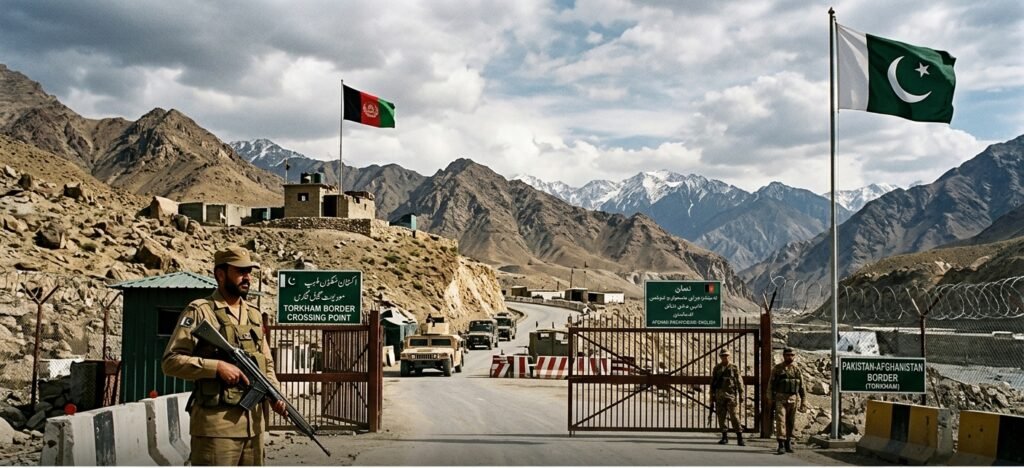
Relations between Pakistan and Afghanistan have once again come under intense pressure following renewed military activity along the border. The latest developments have raised concerns about regional security, cross-border militancy, civilian safety, trade, and the future of diplomatic relations between the two neighboring countries. Pakistan has repeatedly expressed concerns that militant groups operating from Afghan territory are involved in attacks against Pakistan. Islamabad has called on the Afghan authorities to prevent their territory from being used against Pakistan and to take stronger action against groups that Pakistan considers a security threat. Afghan authorities, however, have rejected accusations that Afghanistan is allowing its territory to be used for attacks against Pakistan and have criticized Pakistani military operations inside Afghanistan. The latest escalation follows a long period of disagreement over security and militant activity along the border. The situation became particularly serious after Pakistan carried out airstrikes in areas of Afghanistan on September 21, 2026. Pakistani officials said the strikes targeted militant locations and claimed that 28 militants were killed. Afghan authorities reported civilian casualties and condemned the strikes, highlighting the sharply different accounts coming from the two sides. The disagreement over what happened during the strikes reflects a broader problem in Pakistan–Afghanistan relations: both countries have competing security concerns and different interpretations of responsibility for militant activity. Pakistan argues that attacks originating from Afghan territory represent a direct threat to its national security. Afghanistan maintains that military action inside its territory violates its sovereignty and has called for disputes to be addressed through dialogue. A Long-Standing Border and Security Problem The relationship between Pakistan and Afghanistan has been influenced by security concerns for decades. The two countries share a long and difficult-to-manage border, with communities and trade routes connecting both sides. The border is also home to rugged mountainous areas that can make monitoring and controlling movement extremely difficult. Pakistan has frequently raised concerns about militant groups using areas near or inside Afghanistan as bases for planning attacks. These concerns have become more significant as militant violence inside Pakistan has increased at different points in recent years. For Afghanistan, however, the issue is also connected to sovereignty and border management. Afghan authorities have historically objected to Pakistani military operations across the border and have argued that security problems should be addressed through cooperation rather than unilateral military action. This difference in approach has made it difficult for both governments to establish a lasting security arrangement. Why the Recent Escalation Matters The latest developments are significant because military action between neighboring countries can quickly create consequences beyond the immediate security situation. Any prolonged escalation could affect border communities, transportation routes, trade activity, and diplomatic relations. Thousands of people living near the border depend on cross-border movement for employment, commerce, family connections, and access to essential services. Trade is another important concern. Pakistan and Afghanistan have established major commercial routes through border crossings such as Torkham and Chaman. When security conditions deteriorate, border crossings can face restrictions or closures, creating delays for trucks and increasing costs for traders. For businesses, even temporary disruption can create problems with supply chains. Perishable goods may be damaged, transportation costs can rise, and traders may face uncertainty about when normal movement will resume. The Human Impact The most serious concern during any military escalation is the impact on civilians. Border communities often live close to areas where military operations, militant activity, and security operations take place. Civilian casualties, displacement, damaged homes, and interruptions to daily life can become major consequences of prolonged conflict. Reports surrounding the September 21 strikes have included different accounts of casualties from Pakistan and Afghanistan. Because the two sides have presented different versions of events, independent verification and reliable reporting are particularly important when assessing the human impact. Beyond immediate casualties, repeated instability can create longer-term problems for families and communities. Schools, businesses, transportation, and healthcare services can all be affected when security conditions deteriorate. The Role of Militancy Militant activity remains one of the central issues behind the current disagreement. Pakistan’s position is that militant organizations operating from Afghan territory pose a serious threat to Pakistan’s security. Islamabad has repeatedly asked Afghanistan to take action against militants and prevent them from using Afghan soil to organize attacks. Afghan authorities have disputed these allegations and have rejected the idea that Afghanistan is deliberately providing a base for attacks against Pakistan. This disagreement has become one of the biggest obstacles to improving relations. Pakistan wants stronger security guarantees and action against groups it considers threats, while Afghanistan emphasizes sovereignty and rejects military pressure from Pakistan. Impact on Regional Stability Pakistan and Afghanistan are not isolated from the wider region. Developments between the two countries can affect Iran, China, Central Asian states, and other regional powers. Afghanistan’s geographical position makes it an important connection between South Asia and Central Asia. Pakistan also plays an important role in regional trade and transportation. A prolonged security crisis could therefore create wider concerns about regional connectivity and economic cooperation. Other countries may also become involved diplomatically as they attempt to encourage communication and prevent further escalation. Trade and Border Crossings Border trade is one of the areas most directly affected when Pakistan–Afghanistan relations deteriorate. Torkham is an important crossing for commercial traffic between the two countries. Trucks carrying food, construction materials, agricultural products, and other goods regularly use the route. When border crossings are restricted because of security concerns, traders can face significant financial losses. Long lines of trucks can form, goods can be delayed, and transportation costs can increase. For people living near the border, restrictions can also affect access to employment and essential goods. This means that the security dispute has consequences not only for governments and military forces but also for ordinary people and businesses. Diplomatic Challenges Diplomacy remains an important part of the relationship, but recent developments have made negotiations more difficult. Pakistan and Afghanistan have held talks on security, border management, trade, and militant activity in the past. However, disagreements over responsibility

Scroll to Top
This site is registered on wpml.org as a development site. Switch to a production site key to remove this banner.